MILAN INTENSIFY €50M TRESOLDI PURSUIT

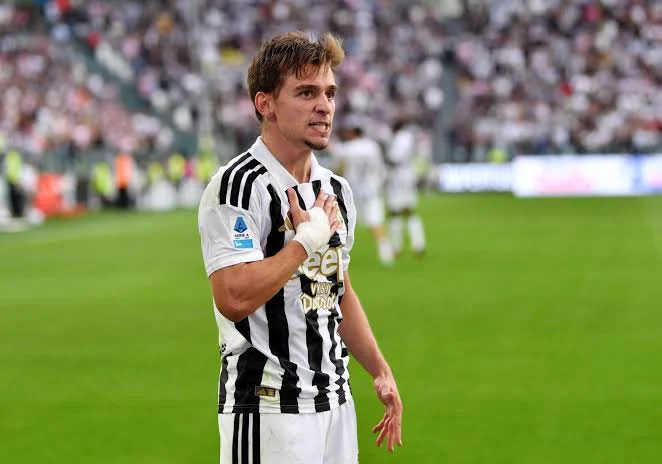
AC Milan have ramped up their interest in Club Brugge striker Nicolo Tresoldi as they look to bolster their attacking options ahead of the January window. The 20-year-old Italian forward has caught the eye with strong performances in the Champions League, including a standout display against Inter Milan that highlighted his clinical finishing and physical presence. Reports from Goal.com indicate that RedBird Capital chief Gerry Cardinale has personally instructed the club to make the €50m-rated player a priority target, seeing him as a long-term solution who could return to Serie A and thrive under Ruben Amorim.

Tresoldi, who has Belgian and Italian heritage, has already turned down interest from several Premier League sides and ambitious clubs like Como this summer. His affection for Milan adds a personal layer to the negotiations, with sources close to the player suggesting he would welcome a move back to Italy. Brugge have rejected offers around €35m previously, but the Rossoneri are prepared to meet the higher valuation given his rapid rise and potential resale value.

This pursuit comes at a time when Milan are navigating a transitional phase in attack. With established options like Rafael Leao no longer at the club and other young talents still developing, adding a proven goalscorer like Tresoldi could provide immediate depth and competition. Amorim has shown a willingness to integrate youthful energy, as seen in recent Europa League rotations, and Tresoldi fits that profile perfectly with his combination of pace, power, and finishing ability.

Ownership Backing Signals Ambition

Cardinale’s direct involvement underscores the ownership’s commitment to competing at the highest level despite recent financial challenges. The American investment group has already demonstrated support through previous signings, and targeting a player with Tresoldi’s profile aligns with their strategy of blending Italian talent with high-upside acquisitions. This move could also help satisfy supporters eager for proactive business in the transfer market rather than reactive fixes.

The timing is crucial too. Milan sit mid-table in Serie A and need reinforcements to push for European qualification spots consistently. Tresoldi’s experience in high-stakes European matches would accelerate his adaptation, potentially allowing him to contribute right away in both league and cup competitions. Rivals across the continent are monitoring the situation, but Milan’s personal connection and Serie A familiarity give them an edge in any bidding war.

Discussions are expected to intensify in the coming weeks, with agents and intermediaries already bridging the gap between the clubs. If successful, the deal would represent a significant statement of intent from a side looking to rebuild momentum following mixed results this season.

CISSE HAT-TRICK IGNITES MILAN EUROPA HOPES

Alphadjo Cisse announced himself on the European stage with a stunning hat-trick that powered AC Milan to a commanding 4-0 victory away to Red Bull Salzburg in the UEFA Europa League on October 15. The 19-year-old midfielder, who had already shown flashes of promise in domestic fixtures this season, produced a performance that combined clinical finishing with mature decision-making. His goals came at crucial moments, turning what could have been a tricky away fixture into a statement win for Ruben Amorim’s side. Milan, sitting fifth in Serie A after six matches, needed this result to build momentum in Europe following a mixed start to their group stage campaign.

Historic Achievement for Young Talent

Cisse’s treble made him the youngest Italian player ever to score a hat-trick in a major European competition, surpassing records previously held by names like Alessandro Del Piero. He opened the scoring in the 15th minute with a composed finish after a swift counter, doubled the lead just before half-time with a powerful strike from the edge of the box, and completed his night with a clinical penalty early in the second half. A late fourth from teammate Sergio Ramos rounded off the scoring. At just 19 years and 358 days old, Cisse demonstrated the explosive qualities that have seen him break into the first team under Amorim. His ability to operate in tight spaces and finish with both feet has quickly made him a fan favourite at San Siro.

This result marks Milan’s first win in the Europa League this season and provides a much-needed confidence boost ahead of a congested fixture list. The Rossoneri face Atalanta in Serie A on October 18, followed by further European and domestic commitments that will test squad depth. Cisse’s emergence comes at a time when the club is relying on youth to supplement established stars, especially with several key players managing fitness concerns. His post-match comments emphasised the team effort over individual glory, noting that securing the three points mattered most.

Why This Matters for Milan’s Future

For supporters, Cisse represents the kind of homegrown or academy-linked success that has defined Milan across generations. His rapid rise mirrors the club’s strategy of blending experience with emerging talent, a approach Amorim has championed since taking charge. With the team aiming to climb the Serie A table and make a deep run in Europe, performances like this offer tangible proof that the project is on track. The win also highlights the depth in midfield, where Cisse’s energy complements the likes of Adrien Rabiot and others.

Milan’s ownership has invested in infrastructure and scouting to unearth such prospects, and nights like this validate that direction. Cisse now has five goals across all competitions this term, a tally that positions him as one of the standout young performers in Italian football. As the season intensifies, his continued development could prove pivotal in sustaining challenges on multiple fronts. The Salzburg result sets a positive tone, showing that Milan can deliver clinical displays when opportunities arise.

IBRAHIMOVIC STEPS BACK FROM MILAN ROLE

AC Milan supporters have been digesting reports that Zlatan Ibrahimovic is no longer involved in the club’s day-to-day operations. The Swedish legend, who joined the RedBird Capital Partners ownership group after hanging up his boots, has seen his influence at San Siro diminish significantly in recent weeks. Italian outlets close to the club have described his managerial career at Milan as effectively over, with the 45-year-old stepping away from the inner circle that helped shape the post-Berlusconi era.

This development comes at a delicate time for the Rossoneri. Ruben Amorim is still settling into his role as head coach following a summer of transition, and the team sits fifth in Serie A after a mixed start that included a 1-1 draw with Sassuolo. Ibrahimovic had been a visible presence around Milanello and in strategic discussions, often bridging the gap between the American owners and the Italian footballing tradition. His departure from that ecosystem leaves a noticeable void.

Sources indicate that while Ibrahimovic retains his position within RedBird Capital Partners, his direct input into Milan matters has been curtailed. Public sightings at the training ground have become rarer, and he has not featured prominently alongside owner Gerry Cardinale in recent months. The shift appears to have been gradual rather than abrupt, but the timing raises questions about how the club intends to maintain continuity in its long-term vision.

For fans who welcomed Ibrahimovic back into the fold with such enthusiasm, the news carries emotional weight. The former captain was more than a figurehead; he embodied the club’s winning mentality and helped attract talent during the early RedBird years. His presence reassured many that the project would stay true to Milan’s identity even as new ownership implemented changes. Losing that connection, even if not entirely unexpected given the demands of his other commitments, feels like another chapter closing.

The practical implications extend beyond sentiment. With Amorim under pressure to deliver results in both Serie A and the Europa League, including Thursday’s trip to Salzburg, the absence of a high-profile advisor with deep Milan roots could affect decision-making. Club insiders have stressed that the coach retains full support from the board, yet the Ibrahimovic exit highlights how quickly the landscape can shift under new ownership structures.

RedBird’s Evolving Strategy

RedBird’s approach to Milan has always balanced commercial growth with on-pitch ambitions. Ibrahimovic’s involvement was part of an effort to blend star power with operational expertise. His reduced role suggests the group may be streamlining its footballing leadership, allowing more space for sporting director figures and the head coach to operate independently. This aligns with patterns seen at other clubs where initial celebrity appointments give way to more conventional management setups.

Younger players and academy prospects may feel the change most acutely. Ibrahimovic was known for mentoring talents like Rafael Leao in previous seasons, offering guidance drawn from his own storied career. Without that direct link, the club will need alternative ways to instill the same standards and culture.

Supporters have reacted with a mix of resignation and curiosity on social media, with many noting that the Swede’s legacy at the club remains secure regardless of his current title. The focus now turns to how Milan navigates the remainder of the autumn schedule without one of its most charismatic recent leaders in the background. Amorim’s comments about the need for rotation and handling young players take on added context in light of these structural adjustments.

Milan’s ownership has shown willingness to invest when necessary, but the departure of a personality as large as Ibrahimovic underscores the challenges of sustaining momentum through multiple transitions. The coming weeks will reveal whether the club can maintain its upward trajectory while adapting to this latest evolution in its leadership dynamic.

GABBIA INJURY LEAVES MILAN DEFENSIVE CRISIS

Matteo Gabbia’s serious thigh injury has cast a long shadow over AC Milan following their 1-1 draw at Sassuolo on October 11. The 26-year-old captain lasted just 15 minutes before being stretchered off in tears, and scans later confirmed a muscle tear in his left hamstring with partial tendon involvement. Club doctors expect the centre-back to be sidelined until 2027, depriving Ruben Amorim of a reliable leader at the heart of defence at a critical juncture.

Milan sit fifth in Serie A after six matches, level on points with several sides chasing European spots but still short of the consistency required to challenge the top four. The result at the Mapei Stadium highlighted familiar frailties, with Adrien Rabiot’s fine strike cancelled out by Cas Odenthal from a corner. Gabbia’s early exit forced Koni De Winter into action and exposed the thinness of the backline.

Defensive Options Under Pressure

Amorim has already experimented with a 4-4-1-1 that morphs into a 3-4-2-1, partly to accommodate the lack of mobility in certain positions. Losing Gabbia removes a player who had been a steady presence since his breakthrough years and who wore the armband with distinction. The Portuguese coach now faces a selection headache for the Europa League trip to Salzburg on October 15 and the San Siro clash with Atalanta three days later.

The club is weighing a short-term free-agent signing against waiting until January, but neither option offers immediate reassurance. Recent arrivals such as Mario Gila and the expensive Diego Moreira have bolstered other areas, yet the centre-back department remains vulnerable. De Winter and the returning players will need to step up quickly if Milan are to avoid further dropped points in a congested fixture list.

Why This Matters Most

For supporters, Gabbia’s absence is more than a routine setback. He represents continuity and defensive organisation under a new manager who is still bedding in his ideas. The Rossoneri have drawn three of their last four league games, and another prolonged spell without a key defender risks derailing their push for Champions League qualification. Amorim’s tactical tweaks have shown promise, particularly with Rabiot thriving in a flexible role, but they require a settled back four to function at full capacity.

The timing could not be worse. With nine matches in 29 days ahead, including tough European and domestic fixtures, Milan need every available body. Gabbia’s leadership and aerial ability will be sorely missed, leaving the squad to find answers from within while the hierarchy considers reinforcements. Fans will be watching training reports closely in the coming days to gauge how quickly the defence can regroup.

CARDINALE BACKS MILAN WITH FRESH FUNDS

AC Milan owner Gerry Cardinale has stepped in with a substantial cash injection to support the club’s ambitions, even as frustration mounts following the team’s latest Serie A setback. The RedBird Capital Partners chief, who has overseen significant investment since taking control, reportedly transferred €50 million into the club this week according to reports in La Gazzetta dello Sport. This move comes at a critical juncture for Ruben Amorim’s side, who sit fifth in the standings after six matches and have shown worrying inconsistency in recent weeks.

The timing of the funding underscores Cardinale’s determination to keep Milan competitive despite a challenging start to the 2026-27 campaign. Sources close to the club indicate the money is earmarked for both immediate operational needs and to bolster the January transfer window. With defensive injuries piling up and the squad stretched thin, this financial backing provides Amorim with breathing room to address squad depth issues that have already forced tactical adjustments.

Owner’s Reaction Sparks Concern

Cardinale’s disappointment was palpable after watching the 1-1 draw at Sassuolo on October 11. The result left Milan with just 12 points from six games, four behind leaders Inter and Lazio. Adrien Rabiot had given the Rossoneri the lead in the 63rd minute with a powerful strike assisted by substitute Luka Modric, but Sassuolo responded swiftly through Cas Odenthal five minutes later to claim a deserved point.

The match exposed familiar vulnerabilities. Milan dominated possession in patches but struggled to convert opportunities, while set-piece defending once again proved costly. Matteo Gabbia was stretchered off in tears after just 20 minutes with what appeared to be a serious thigh issue, adding to an already depleted backline that was missing Alexis Saelemaekers. This latest injury has intensified calls for reinforcements, and Cardinale’s cash boost signals the club is prepared to act.

Italian media outlets have highlighted four key areas where Amorim needs improvement, including better game management after taking the lead and more robust defensive organisation. The Portuguese coach has faced growing scrutiny, though the board remains supportive for now. The injection of funds demonstrates Cardinale’s willingness to back his manager rather than undermine him publicly.

Why This Matters for Supporters

For Milan fans, the development offers reassurance that the ownership remains committed to restoring the club’s elite status. RedBird’s arrival promised stability and growth after years of uncertainty, and this latest move reinforces that vision. With a congested fixture list ahead, including Europa League commitments and a trip to Salzburg on October 15, squad depth will be vital.

The cash also positions Milan to pursue targets in January, building on summer acquisitions like Diego Moreira and Gonçalo Ramos. Supporters will hope the funds translate into meaningful additions rather than short-term fixes. As the club navigates a period of transition under Amorim, Cardinale’s intervention highlights the high stakes involved in delivering results on the pitch.

Defensive frailties remain the most pressing concern, with Gabbia’s potential absence compounding problems at centre-back. The club must balance immediate results with long-term planning, especially as European competition intensifies. Cardinale’s proactive approach suggests he understands the urgency, providing a foundation for the months ahead.

LEAO STRIKE SENDS MILAN TOP OF SERIE A

AC Milan supporters have every reason to feel optimistic after Rafael Leao’s decisive goal secured a hard-fought 1-0 victory over Lazio on the opening weekend after the international break. The win propelled the Rossoneri to the summit of Serie A, a position that feels particularly sweet given the club’s challenging start to the 2026-27 campaign under Ruben Amorim. Leao, who has often divided opinion with his inconsistent output, delivered when it mattered most with a clinical second-half finish that left Lazio’s defence exposed. The match itself was tense throughout, with Lazio denied a late penalty that could have altered the outcome, but Milan’s resilience shone through.

This result marks a significant step forward for a side that has been rebuilding its identity. Amorim has faced scrutiny over his tactical setup since taking charge, yet the performance against a well-organised Lazio side demonstrated growing cohesion. The Portuguese coach made key adjustments at half-time, introducing fresh legs that shifted the momentum. Milan’s defence held firm despite the absence of several key personnel through injury and international duty, allowing the attack to focus on breaking down a stubborn opponent.

The road to the summit

Milan entered the fixture on the back of mixed results in their opening fixtures. Early draws and a narrow loss had left them chasing the pace-setters, but the win over Lazio changed the narrative. Leao’s goal was his first in Serie A this season and came at a time when the team needed a spark. The 27-year-old Portuguese winger has now contributed meaningfully in big matches, echoing his form from previous campaigns where he helped secure major honours. Supporters will hope this signals a return to his best, especially with the fixture list set to intensify in the coming weeks.

Context from the broader Serie A landscape adds weight to the achievement. Lazio had started strongly themselves, sitting high in the table before kick-off. Their appeal for a penalty in the closing stages highlighted the fine margins at play, yet the denial preserved Milan’s clean sheet and three vital points. The result also underscores the impact of Milan’s summer recruitment, with players like Diego Moreira integrating quickly and providing options from the bench. Moreira’s energy helped stretch the play, creating the space Leao exploited.

For the fanbase, topping the table brings renewed belief in the project. Ownership under Gerry Cardinale has invested heavily in infrastructure and squad depth, and results like this validate the direction. The club’s financial position remains stable despite earlier reports of challenges, allowing focus to remain on on-pitch matters. Amorim’s emphasis on high pressing and quick transitions is beginning to bear fruit, though consistency will be tested against sides like Sassuolo next.

Leao’s contribution extends beyond the goal. His work rate in tracking back and linking play has improved, aligning with the manager’s demands. This performance comes amid discussions about contract extensions for several stars, including those who have been pivotal in recent successes. Milan’s position at the top is narrow and will require sustained effort, but it provides a platform for the weeks ahead. The victory also boosts morale ahead of European commitments, where progression remains a priority.

Overall, the win represents more than three points. It reaffirms Milan’s status as serious contenders in a competitive league and gives supporters tangible evidence that the squad is evolving under Amorim’s guidance. With Leao firing, the attack looks potent, and the defensive organisation offers a solid base. The coming fixtures will reveal how sustainable this early lead proves to be, but for now, the Rossoneri sit where they belong.

MILAN EYE INACIO AND ENDRICK FOR JANUARY

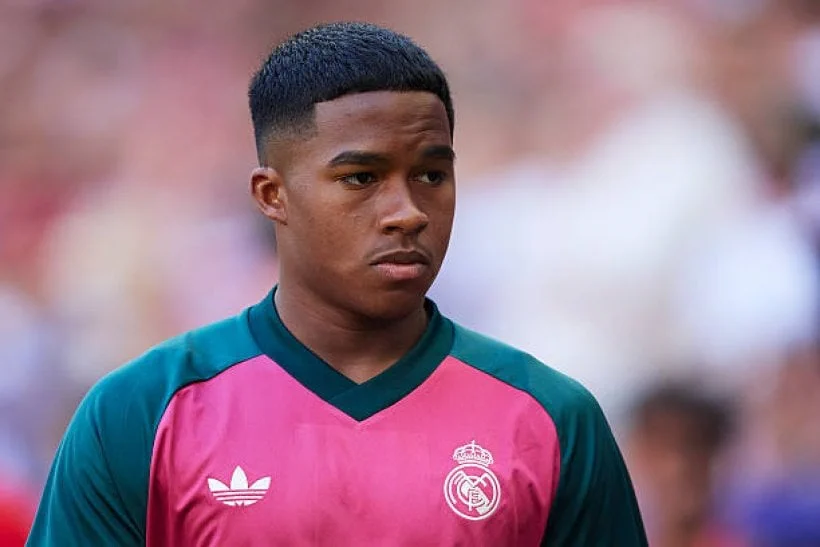
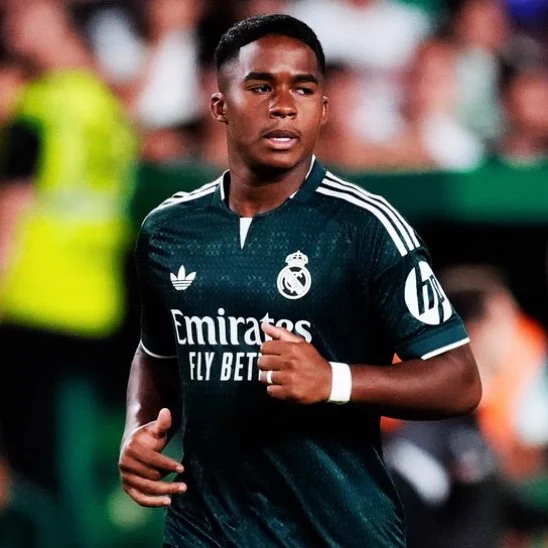
AC Milan are preparing an ambitious January transfer window aimed at bolstering Ruben Amorim’s squad for a serious Champions League challenge. Reports from Italian media indicate the club, under owner Gerry Cardinale, has identified two priority targets in defender Gonçalo Inácio and forward Endrick. Both names featured in summer planning but now look set for renewed pursuit as the winter window approaches.

Endrick open to San Siro move

The 20-year-old Brazilian has made it clear he is receptive to a loan move away from Real Madrid. Endrick has struggled for consistent minutes at the Bernabéu under José Mourinho and has signalled to Milan that the Rossoneri would be his preferred destination if a departure becomes possible. Milan tried to secure him on loan last summer but were blocked by Mourinho’s firm stance. Cardinale remains confident of success this time, aided by strong connections through Roc Nation. A loan deal is the most likely structure, though longer-term options could be discussed. Endrick’s salary of around €2.5 million net plus bonuses is not seen as a major barrier.

The arrival would give Amorim extra attacking options behind or alongside players like Gonçalo Ramos, adding dynamism in the final third during a packed schedule that includes the Derby della Madonnina.

Inácio remains top defensive target

In defence, Sporting Lisbon’s Gonçalo Inácio is the clear priority. Amorim knows the 24-year-old well from their time together at Sporting and would welcome the chance to coach him again. Milan came close to signing him in the summer with an offer above €40 million, but Sporting demanded a suitable replacement before agreeing. Inácio has shown some frustration this season, including own goals and limited starts for Portugal, making him more open to a move. Contacts have continued since August, and Milan are expected to return with renewed vigour in January.

Why these moves matter now

Milan sit fifth in Serie A after five matches and are still adapting to Amorim’s methods. Strengthening in both defence and attack before the second half of the season would help close the gap on the top clubs and improve their European prospects. Cardinale has made it clear that January represents a second chance to complete unfinished summer business. With the club determined to avoid another near-miss on Champions League qualification, these two names represent a clear statement of intent.

The ball is now in Real Madrid’s court regarding Endrick, while Sporting will need to decide how they respond to further interest in their captain. For Milan supporters, the coming weeks will reveal whether Cardinale can deliver the reinforcements Amorim needs to elevate the team.

SAN SIRO SALE CLEARS PATH FOR NEW STADIUM

AC Milan supporters have long waited for clarity on the future of their iconic home, and recent developments have delivered a major step forward. The Milan city council has approved the sale of the San Siro stadium to the clubs, ending years of legal hurdles and paving the way for a modern replacement that could transform the Rossoneri’s operations and fan experience. This decision comes amid broader club restructuring under RedBird ownership, where infrastructure investments sit alongside squad building and financial stabilization efforts.

The approval follows a series of appeals that were ultimately dismissed, clearing the path after more than three years of negotiations between AC Milan, Inter and local authorities. The Grande Funzione Urbana San Siro project now moves into its next phase, with the clubs gaining control over the Meazza site and surrounding areas. For a club with deep roots in Italian football history, this represents more than just bricks and mortar. It signals a commitment to long-term growth in a city where stadium modernization has lagged behind many European rivals.

Stadium Project Background

The push for a new venue has been a priority since RedBird Capital Partners took majority control in 2022. Previous plans faced delays from environmental concerns, heritage protections and competing visions for the site. The latest ruling removes several obstacles that had stalled progress, allowing the clubs to proceed with acquisition and development timelines. Sources indicate that initial designs could feature a state-of-the-art facility with increased capacity, advanced fan amenities and commercial spaces designed to boost matchday revenue significantly.

This move aligns with owner Gerry Cardinale’s vision of elevating Milan beyond on-pitch results. The club has already invested heavily in the squad this summer, but sustainable revenue streams remain essential in a Serie A landscape where broadcast deals and European competition income fluctuate. A new stadium could generate tens of millions in additional annual income through premium seating, sponsorships and events, helping offset the costs of recent transfers and player wages.

Why This Matters for Supporters

For the fanbase, the approval offers hope of ending the frustrations associated with the aging San Siro. While the historic venue holds sentimental value, its outdated facilities have drawn criticism compared to modern arenas across Europe. A purpose-built home could improve atmosphere, accessibility and matchday comfort, potentially attracting larger crowds and enhancing the club’s global appeal. It also positions Milan competitively in the race for top talent, as prospective signings increasingly factor in training and playing environments.

The timing is notable as the team sits fifth in Serie A early in the 2026-27 campaign under Ruben Amorim. With financial losses reported for the prior year due to missing European football, infrastructure progress provides a positive counterpoint. Supporters can now look ahead to a future where the club controls its destiny on and off the pitch, rather than relying on a shared, aging facility. The coming months will reveal more details on construction timelines and design, but the green light marks a pivotal moment in the RedBird era.

AMORIM CONSIDERS MAJOR TACTICAL SWITCH AT MILAN

Ruben Amorim is weighing up a significant change to his preferred formation as AC Milan prepare for their Serie A trip to Sassuolo on October 11. The Portuguese coach has built his reputation on a back-three system, yet reports indicate he may deploy a 4-2-3-1 shape for the first time in his managerial career. This potential tweak comes at a crucial moment for the Rossoneri, who sit fifth in the table after five matches and need to maintain momentum following the international break.

The decision reflects the challenges Amorim faces in adapting his ideas to Serie A’s demands and the current squad composition. Milan have already shown flexibility in earlier fixtures, but a full shift away from the three centre-backs that defined his time at Sporting and Manchester United would mark a notable evolution. It would also test how quickly the players can adjust to new roles and pressing triggers.

Several factors appear to be driving the consideration. The injury situation has left options thin in certain areas, forcing Amorim to explore different balances in midfield and attack. A four-man defence could provide more natural width and allow specific talents to operate in familiar zones, while the double pivot might offer better protection against counter-attacks. Milan’s recent results have highlighted both strengths and areas for refinement, particularly in transitions.

Amorim’s willingness to adapt demonstrates the pragmatic side of his coaching. Supporters have long admired his clear identity, but the ability to tweak it when necessary has become increasingly valuable in a league that rewards tactical intelligence. The Sassuolo fixture offers a relatively controlled environment to test the idea before tougher tests arrive later in October.

Impact on squad dynamics

This possible change would likely influence several key players. Centre-backs used to stepping into a back three might find themselves in wider roles or paired differently, while full-backs could gain more attacking licence. Midfielders would need to recalibrate their positioning to support the new structure, potentially giving creative outlets more freedom higher up the pitch.

The move could also signal a broader shift in how Milan approach matches this season. Rather than rigidly imposing one system, Amorim appears ready to evolve based on opposition and personnel. That flexibility matters for a squad still integrating new arrivals and recovering from a disrupted summer window.

For fans, the development adds intrigue to the post-break period. Watching how the team implements any adjustments will reveal much about the direction under the new manager and the club’s ambitions in the title race.

The coming days will clarify whether the 4-2-3-1 becomes a reality or remains an option on the drawing board. Either way, Amorim’s openness to change underscores his focus on finding the best fit for this Milan side.

MILAN REPORTS FIRST REDBIRD ERA LOSS

AC Milan have reported a €24 million loss for the 2025-26 financial year, marking the first set of accounts in the red since RedBird Capital took over the club. The figure comes after three straight years of profit and arrives amid a summer of major restructuring under owner Gerry Cardinale.

The deficit stems largely from missing out on European competition revenue, which club officials estimate cost between €70 million and €80 million. Despite that hit, overall revenue held steady at €465 million, down just 6 percent from the previous season. Core income streams showed resilience, with sponsorship deals surpassing €100 million for the first time in club history and average matchday attendance topping 72,000, the highest in Serie A.

Financial position and strategy

Net financial debt rose to €145 million from €92 million the year before, reflecting increased use of credit lines to fund investments and strategic projects. Shareholders’ equity stands at a healthy €176 million, providing a buffer that allows the club to press ahead with its growth plans. Brand value reached an all-time high of €514 million according to Brand Finance, a 28 percent increase year on year.

The board, chaired by Paolo Scaroni, approved the accounts on 28 September. In a statement, the club highlighted the appointment of Massimo Calvelli as CEO during the period and progress on the new stadium project alongside Inter. Cardinale’s owner-operator model is credited with enabling long-term decisions even when short-term results are mixed.

For supporters, the numbers underline the trade-offs of recent seasons. Missing the Champions League hurt the balance sheet but freed resources for squad rebuilding under new coach Ruben Amorim. The club spent heavily in the summer window, and the loss shows the financial reality behind those moves. With Serie A position at fifth after five games and momentum building, the priority now shifts to delivering on-pitch results that can restore European income next season.

The report also notes continued brand growth despite the on-field dip, a positive sign for commercial stability. Milan remain an attractive proposition for partners, and the highest attendance figures reflect strong fan support. Balancing these elements while navigating a congested fixture list will test the new executive team.

This financial snapshot arrives at a pivotal moment. With contract talks looming for key players and further transfer activity expected in January, the €24 million loss sets a clear context for future spending. The club’s equity position offers reassurance, yet the absence from Europe remains the dominant factor. Supporters will watch closely how the board manages the balance between ambition and sustainability in the months ahead.